When was the last time you sat down and read something without a notification interrupting you? Venelize de Lange from media update looks at the science behind print media's appeal in a world of distracting screens.
It's all digital — from your news to your workflows, your e-vites to your latest books — the world today exists as much in reality as it does in the digital world.
And it's convenient: quick fixes, easy access, all in one place. No one is refuting digital technology's utility, but has our overreliance on it proved counterproductive?
Just like any prescription drug, potential side effects are always a probability, because introducing anything new into an environment means introducing change.
Via Canva
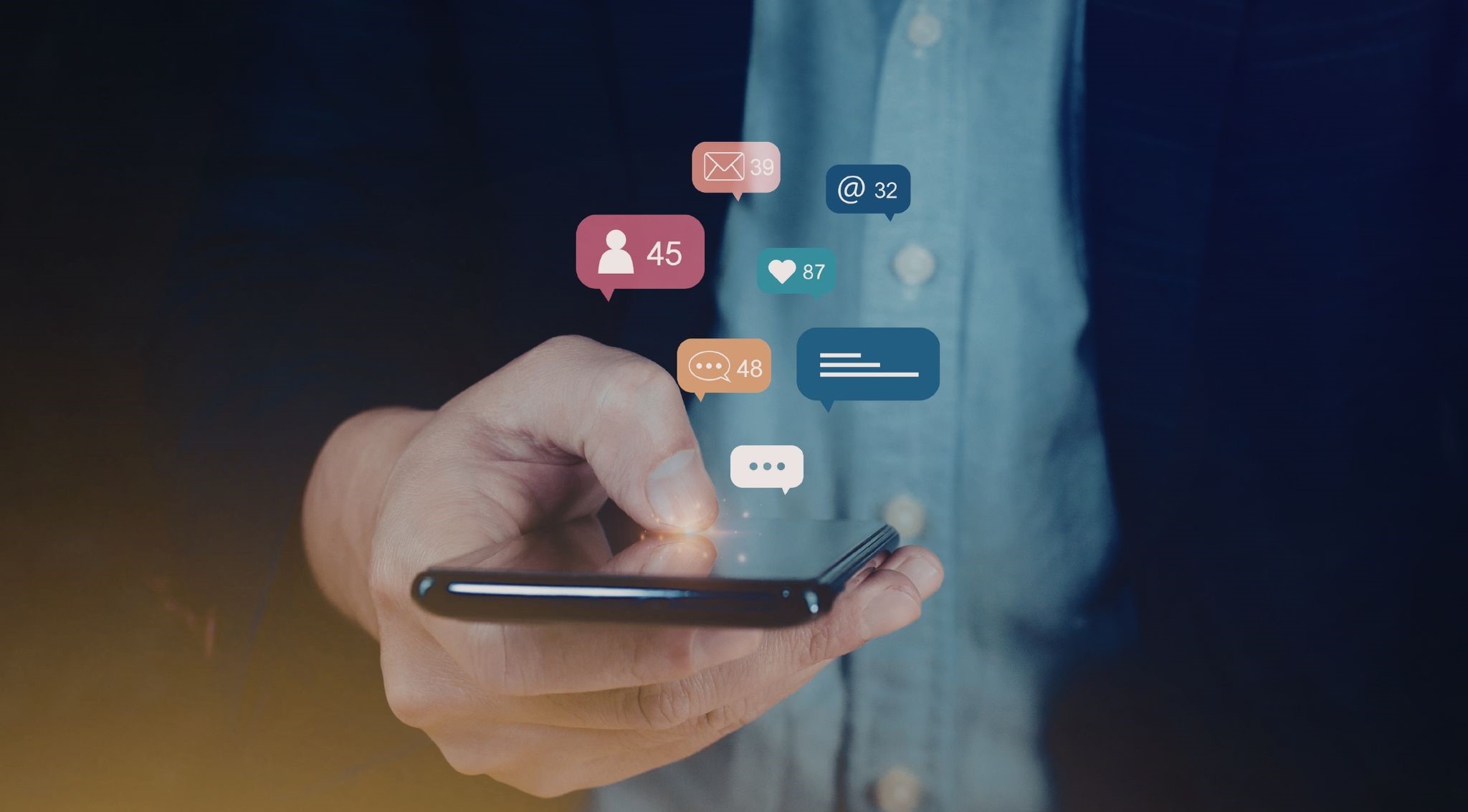
Research in the field of psychiatry suggests that the internet is actively changing the way we think and process information. If everything is centralised on one device in one place, constant access becomes inevitable and people cannot help but get distracted and lose focus.
Online spaces then encourage short attention spans through frequent task switching and its access to immediately available information. While this functionality can be beneficial, it also comes at the cost of sustained concentration and critical engagement with content.
Via Canva
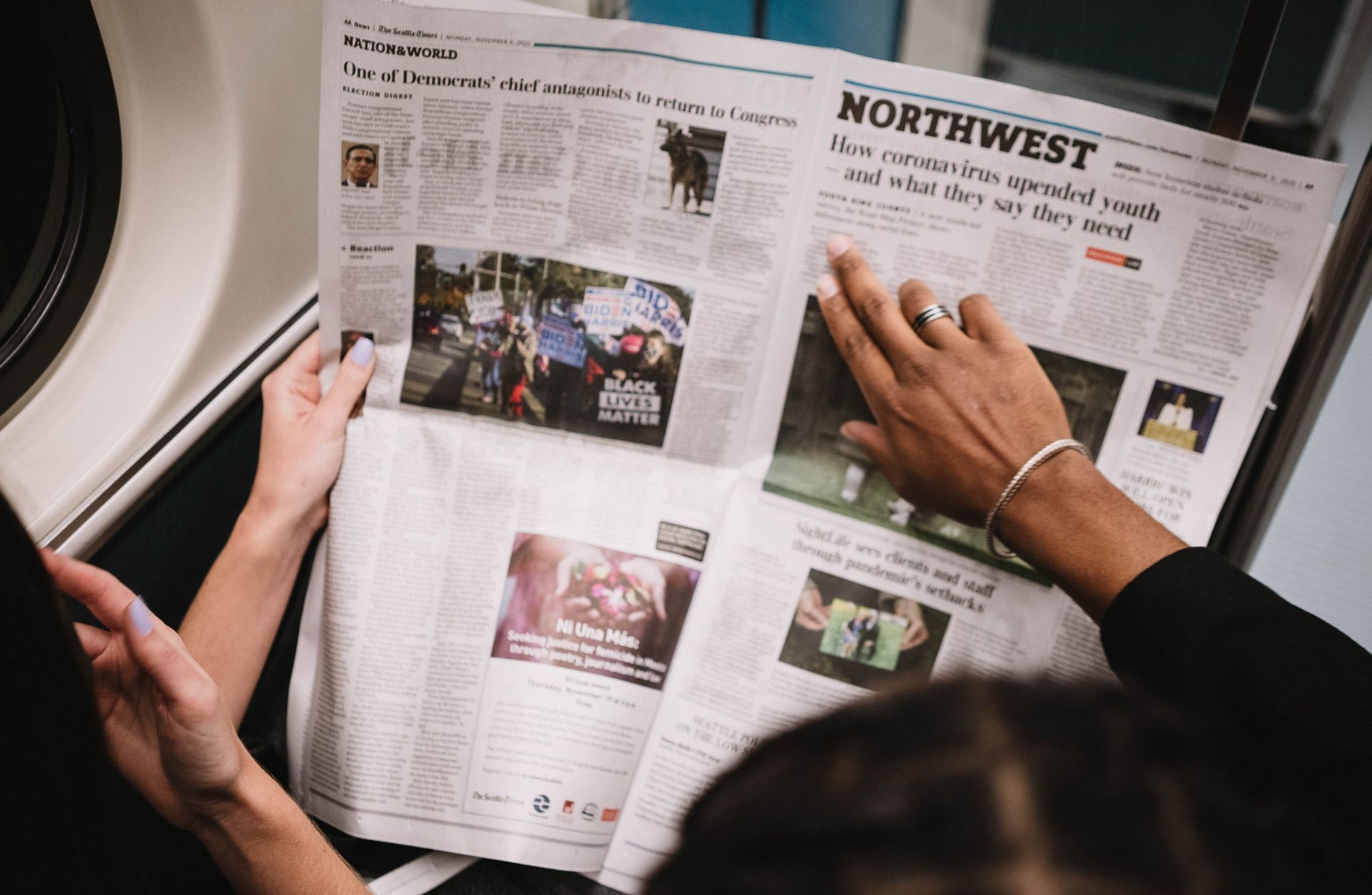
Print promotes the opposite. Reading from paper can improve comprehension and memory retention. Unlike digital content, printed material provides physical and spatial cues that help readers mentally map information, making it easier to digest and apply proper recall.
In a way, print media offers you a one-on-one conversation with the author: it's just you and the page between your fingers — no notification pop-ups or multiple tab searches, all competing for your attention.
Then, there's also the question of trust.

Via Canva
Once a newspaper, magazine or book has been printed, its contents are largely fixed. Online content, on the other hand, can be updated and edited with the click of a button. This flexibility has many benefits, such as fixing mistakes or updating information, carrying very little financial burden, if any at all.
Yet, it also creates opportunities for misinformation to spread at an alarming rate as it is repurposed and redistributed by other online publications. Additionally, social media continues to accelerate this dissemination of false information, reducing trust in legitimate news sources — and the only way to combat this misinformation is through verification and fact-checking.
The brain's insistent preference for print speaks not to its rejection of online media, but rather to its need to contend with an oversaturated, overstimulated and unreliable digital world. While digital technology offers speed and convenience, print media fosters a critical engagement with the reader that cannot be competed with.
Did you find this article insightful? Let us know in the comments section below.
Want to understand the inner workings of your audience's mind and how to speak to them best? Read Why Psychological Literacy is Important in PR.
*Image courtesy of Canva
**Information sourced from World Psychiatric Association, UC Merced and Two Sides.